This week’s reflections
Some Year 13s are getting their mock papers back now and others are revising for mocks in January. When a parent gets in touch with me at this point in the year, the message usually starts the same way: “They got a C and we don’t know what to do.”
I always reply with the same question. Have you seen the paper?
Most of the time the answer is no. The grade has come home and the paper is still in a school bag or a classroom drawer somewhere. Sometimes students aren’t allowed to take the papers home.


On my mind this week
When I marked for the exam board, I looked at one answer at a time and checked whether it gave what the mark scheme needed. The grade only appeared at the very end, once all of those answers were added up.
That’s how I want families to look at a mock. Your child can only decide what to revise on Monday by going through the answers inside the paper.
The same two things come up again and again. Some students knew the topic and wrote it in their own words when the mark scheme wanted the exam board’s terms. Others learned a topic one way and froze when the question came at it from a different angle. Both are fixable before the summer, as long as your child knows which one is holding them back.
Two of the HABITS help most here. Test it means answering questions with the book closed and marking them honestly, so the gaps show up at home first. Ask about it means taking the paper to someone who can show your child exactly why they didn’t get the marks.
Boring work now, brilliant results later.
Study tip
When your mock paper comes back, go through every question where you didn’t get full marks. Next to each one, write K if you didn’t know it or W if you knew it but didn’t write it the way the mark scheme wanted.
Then count them up. Lots of Ks means going back to the textbook for those topics. Lots of Ws means using Instruct it, explaining the topic out loud in the exam board’s words until they come naturally.
If your mocks are in January, do the same with any test you’ve had back this term.


For parents
Ask to see the paper before anyone talks about the grade. If the school keeps it, ask your child to write down the questions they didn’t get the marks on.
If your child tells you the mock doesn’t count, they’re half right. It won’t go on a certificate. It does show you exactly what needs fixing with months still to go.
If the grade was good, look anyway. A B where most of the dropped marks are in one topic is the easiest grade in the world to move up.
If they’re upset, leave the paper until the next day. Nobody looks at mistakes calmly on the evening the grade comes home.
If you’re not sure which habit your child is missing, the free HABITS score quiz takes a few minutes: thealevelclub.scoreapp.com
Quote of the week
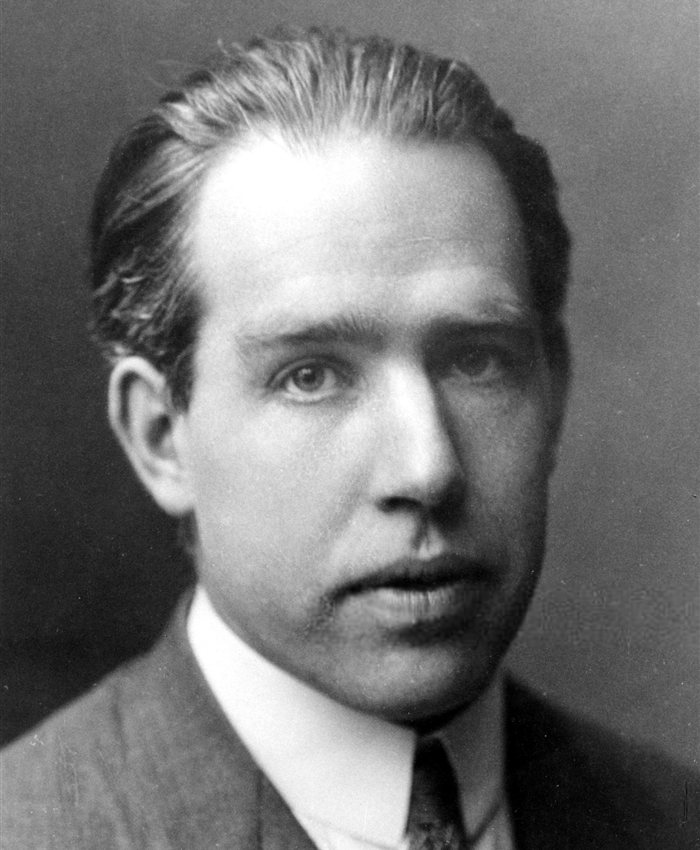
“An expert is a person who has made all the mistakes that can be made in a very narrow field.”
Niels Bohr